Green Energy Infrastructure Mapping: Charting California's Path to Sustainability
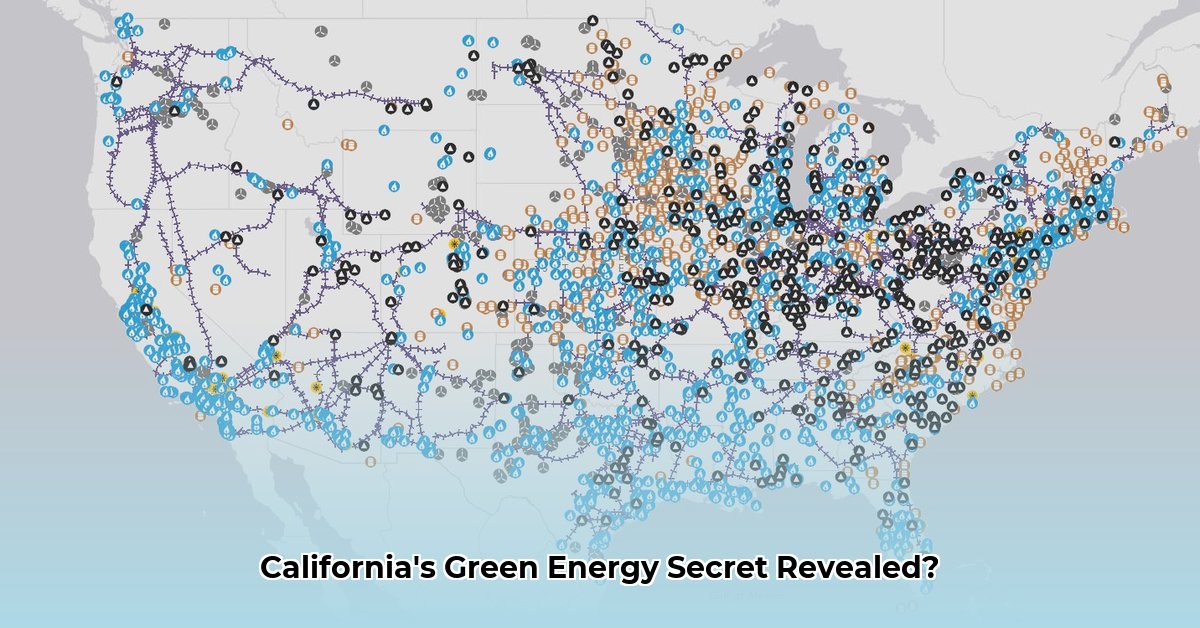
California's ambitious clean energy goals require a robust and accurate map of its energy infrastructure. Currently, however, the state's energy map is fragmented, with inconsistencies and significant data gaps hindering progress. This lack of reliable information impacts planning, investment decisions, and policy formulation, ultimately slowing the transition to a sustainable energy future. This article analyzes the current state of energy data in California, identifies key challenges, and proposes actionable steps towards a more comprehensive and reliable energy infrastructure map. For a visual representation of existing lines, check out this interactive energy map.
Current State of Energy Mapping in California
The California Energy Commission (CEC) provides valuable energy data, but its limitations in accuracy, comprehensiveness, and accessibility are significant. Data discrepancies exist between the CEC's resources and other sources, such as the Energy Information Administration (EIA) Atlas, creating a confusing and incomplete picture. This inconsistency leads to difficulties in planning new renewable energy projects, accurately assessing grid capacity, and effectively managing the state's energy resources. For example, uncertainties regarding power line locations and capacities delay solar farm development and increase investment risk. Isn't this a crucial barrier to efficient energy transition? The current situation clearly demonstrates the need for improved data integration and standardization.
Analysis of Data Gaps and Inconsistencies
A major challenge lies in the inconsistencies between data sources. The lack of standardization and interoperability complicates the task of creating a unified view of California's energy infrastructure. These discrepancies introduce considerable uncertainty into energy project planning and investment decisions. The lack of comprehensive datasets hinders the ability to accurately model future energy needs and plan for grid expansion and upgrades. This uncertainty directly impacts the feasibility and efficiency of clean energy initiatives. How can we accurately forecast energy demand if the underlying data is unreliable? The implications of these data gaps are far-reaching and require immediate attention.
Stakeholder Perspectives and Actionable Steps
Addressing the problem requires a collaborative effort involving various stakeholders. Each group has a critical role to play in improving the quality and accessibility of California's energy data:
California Energy Commission (CEC): The CEC must enhance data quality, transparency, and sharing mechanisms. This includes improved data validation protocols, investment in better visualization tools, and the creation of a user-friendly online platform for all energy infrastructure data. The CEC should also develop clear data standards and reporting protocols.
Energy Developers: Energy developers should utilize available CEC data fully and advocate for improved data access and standards. They should actively participate in efforts to develop and implement a collaborative, statewide geographic information system (GIS) platform.
Researchers & Academics: Researchers should leverage existing data to conduct independent analyses and help develop enhanced analytical tools and models. Their insights are vital for improved data interpretation and informed policy-making.
Utility Companies: Utility companies should upgrade their internal GIS systems and contribute to statewide data initiatives. Data sharing, where appropriate, is essential for optimizing grid management and improving energy system efficiency.
State Government: The state government should allocate funding for improved data infrastructure projects and encourage robust data sharing between agencies. Strong open data policies are essential to foster transparency and innovation.
Risk Assessment and Mitigation
Several risks threaten the effective use of energy infrastructure data:
Inaccurate Data: Mitigation strategies include implementing robust data validation and quality control protocols and using multiple data sources to verify information.
Incomplete Data: Expanding data collection efforts and encouraging data sharing across organizations are essential solutions.
Poor Data Interoperability: Developing standardized data formats and investing in advanced data integration technologies are crucial.
Regulatory Changes: Regularly updating the map to reflect regulatory changes is key to its continued relevance.
Cybersecurity Threats: Robust cybersecurity protocols are essential to protect the integrity and confidentiality of the data.
Regulatory Implications
Reliable and accessible energy data is crucial for effective energy regulation. Incomplete or inconsistent data can delay or complicate regulatory processes, leading to legal challenges and wasted resources. A comprehensive and accurate energy map will streamline regulatory procedures and increase public trust in the energy transition.
Conclusion
California's clean energy future hinges on a robust and reliable energy infrastructure map. Addressing the existing data gaps and inconsistencies through collaboration and investment is essential for achieving sustainable energy goals. By creating a comprehensive and user-friendly data platform, California can unlock the full potential of its renewable energy resources, improve grid efficiency, and pave the way for a more sustainable future. The journey begins with a clear and accurate map.